
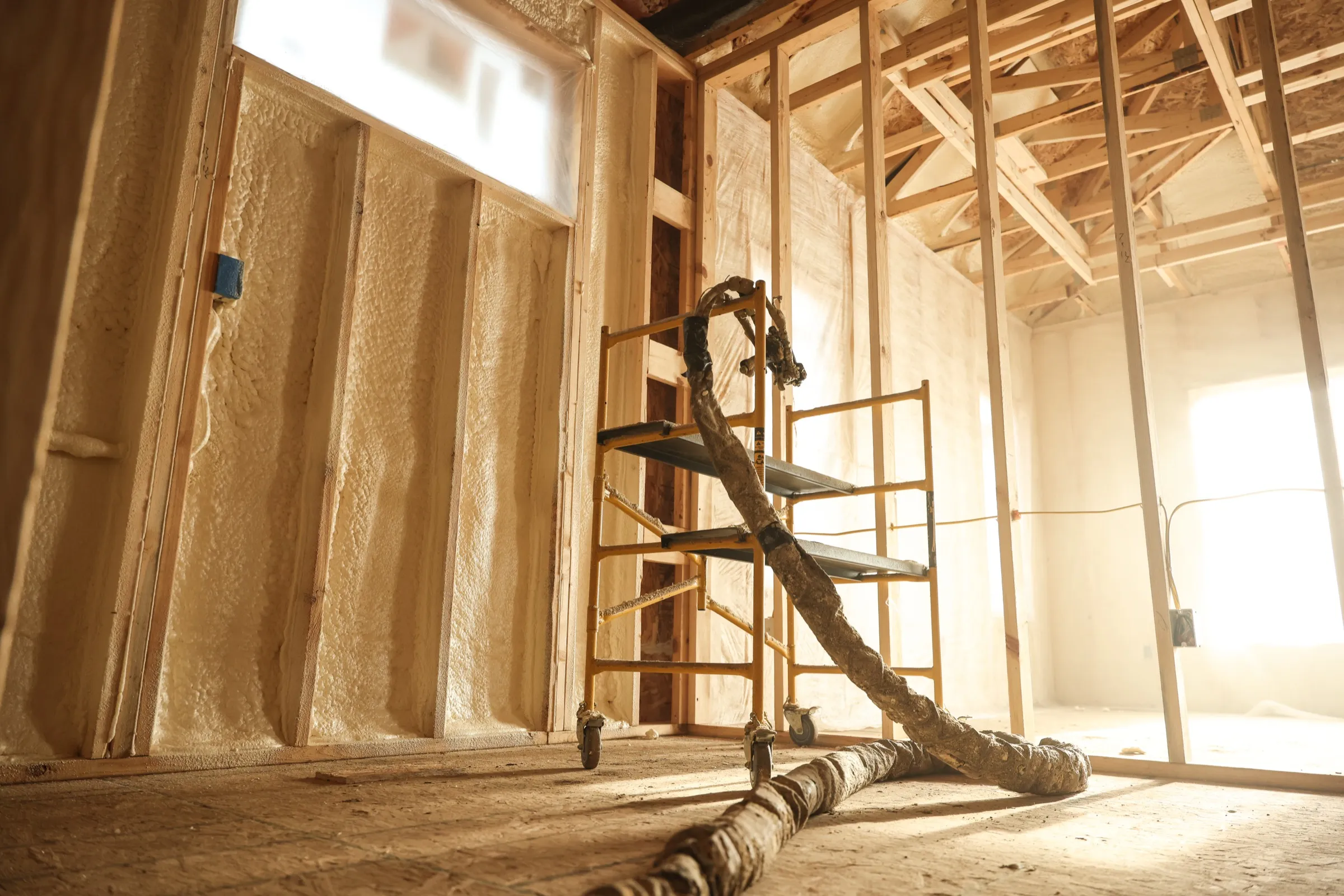
Spray Foam Insulation in Arizona
Professional spray foam insulation for Arizona homes, additions, garages, metal buildings and commercial properties.
Spray foam insulation is useful in Peoria-area buildings when the goal is a tighter, better controlled envelope. The material expands into cracks, rim areas, roofline details, and uneven framing pockets where air can otherwise move between the attic, wall cavities, garage, or conditioned space.
Precision Spray Foam Insulation Peoria works on residential and commercial projects across Peoria, Glendale, Sun City, Surprise, El Mirage, and Youngtown. Each project starts with the building itself: where the heat is entering, what access is available, and whether foam is the right material for that assembly.
Choosing The Right Foam For The Assembly
Open-cell foam is lighter and expands aggressively, which can make it a practical choice for selected interior walls, sound-sensitive areas, and irregular framing where flexibility matters. It fills space well, but it is not the right answer for every surface or moisture condition.
Closed-cell foam is denser and can deliver more insulating value in limited depth. It is often considered for exterior-facing assemblies, metal buildings, and areas where rigidity or moisture behavior is part of the decision. The right choice depends on access, depth, ventilation, code requirements, and how the space will be used.
Where Spray Foam Often Helps
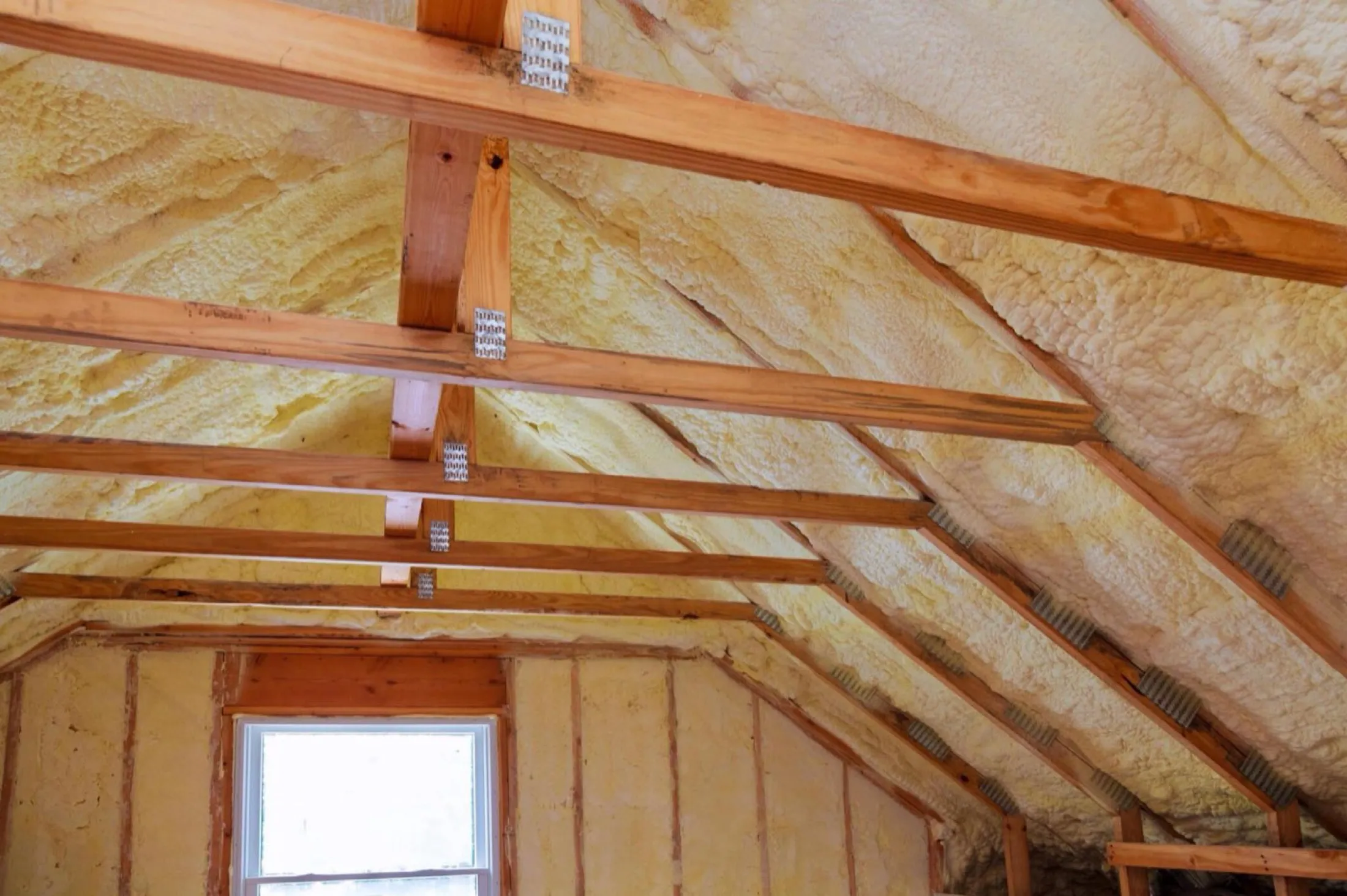
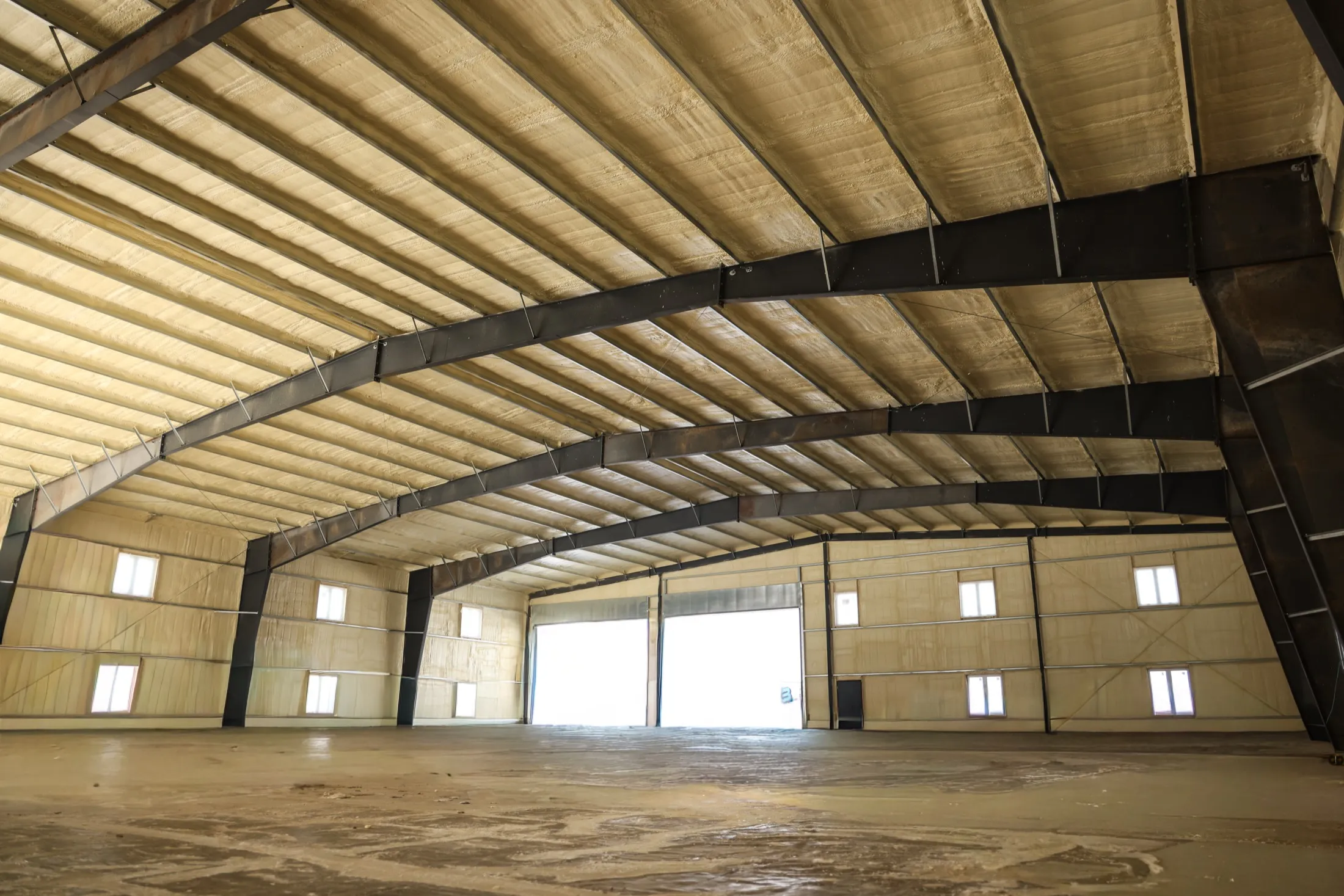
Spray foam is commonly used in attics, roof decks, exterior walls, room additions, garages, workshops, storage rooms, metal buildings, and tenant improvement spaces. It is especially helpful where framing is crowded with wiring, penetrations, bracing, and transitions that make fitted insulation hard to install cleanly.
For homeowners, the goal is usually fewer hot spots and less dusty air movement from unfinished areas. For commercial or shop spaces, the priority may be separating conditioned and unconditioned zones, protecting equipment, or making the building more usable through long stretches of desert heat.
Air Leaks Change How Rooms Feel
In the West Valley, heat does not only push through insulation by conduction. Air moves through gaps around ceiling penetrations, top plates, plumbing chases, attic hatches, garage walls, and duct runs. Those small paths can make one room feel different from the next even when the building already has insulation.
Spray foam can insulate and help air-seal in the same application when it is used in the right location. Reducing uncontrolled air movement gives the rest of the building system a better chance to work as intended, with less outside heat, attic dust, and drafty movement slipping through hidden paths.
Comfort, Noise, And Dust Details
A foam project can change more than temperature. Open-cell foam is often discussed for interior sound control because it fills open framing and softens some airborne noise transfer. Closed-cell foam can be useful when density and thinner assemblies matter more than fill volume.
No insulation product makes a building silent or dust-free, and every property behaves differently. What foam can do is close many of the gaps that make rooms feel exposed to attic air, exterior noise, garage odors, or the heat stored in a roofline after a long afternoon.
What Installation Involves
A spray foam job begins with access, surface review, masking, and protection of nearby finishes. The work area needs enough room for equipment and hose routing, and ventilation planning matters because foam is applied on site and must cure according to product guidance.
Installers apply foam in controlled passes so it can expand and adhere properly. After the material cures, excess foam may be trimmed, transitions are checked, and the area is cleaned for the next trade or for regular use, depending on the project.
What A Free Estimate Covers
A free estimate should answer whether spray foam fits the space, not simply produce a square-foot number. The visit can cover access, existing insulation, foam type, application depth, ventilation, surface condition, and any prep needed before installation.
You can also talk through practical goals such as attic heat, garage comfort, sound control, or insulating a metal building. The result should be a clear scope that matches the property and leaves room to choose another insulation approach when foam is not the right tool.
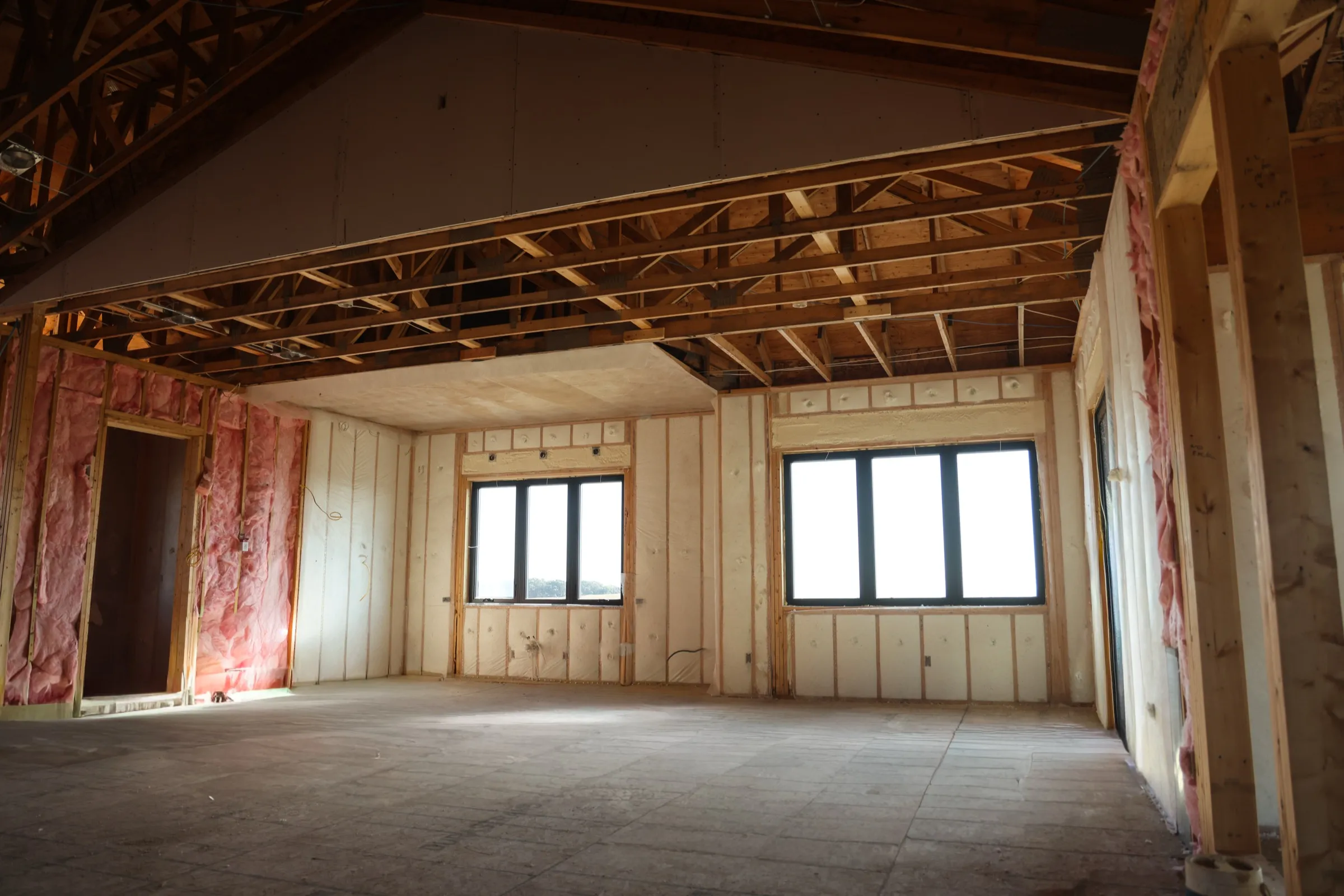
Spray Foam in Action
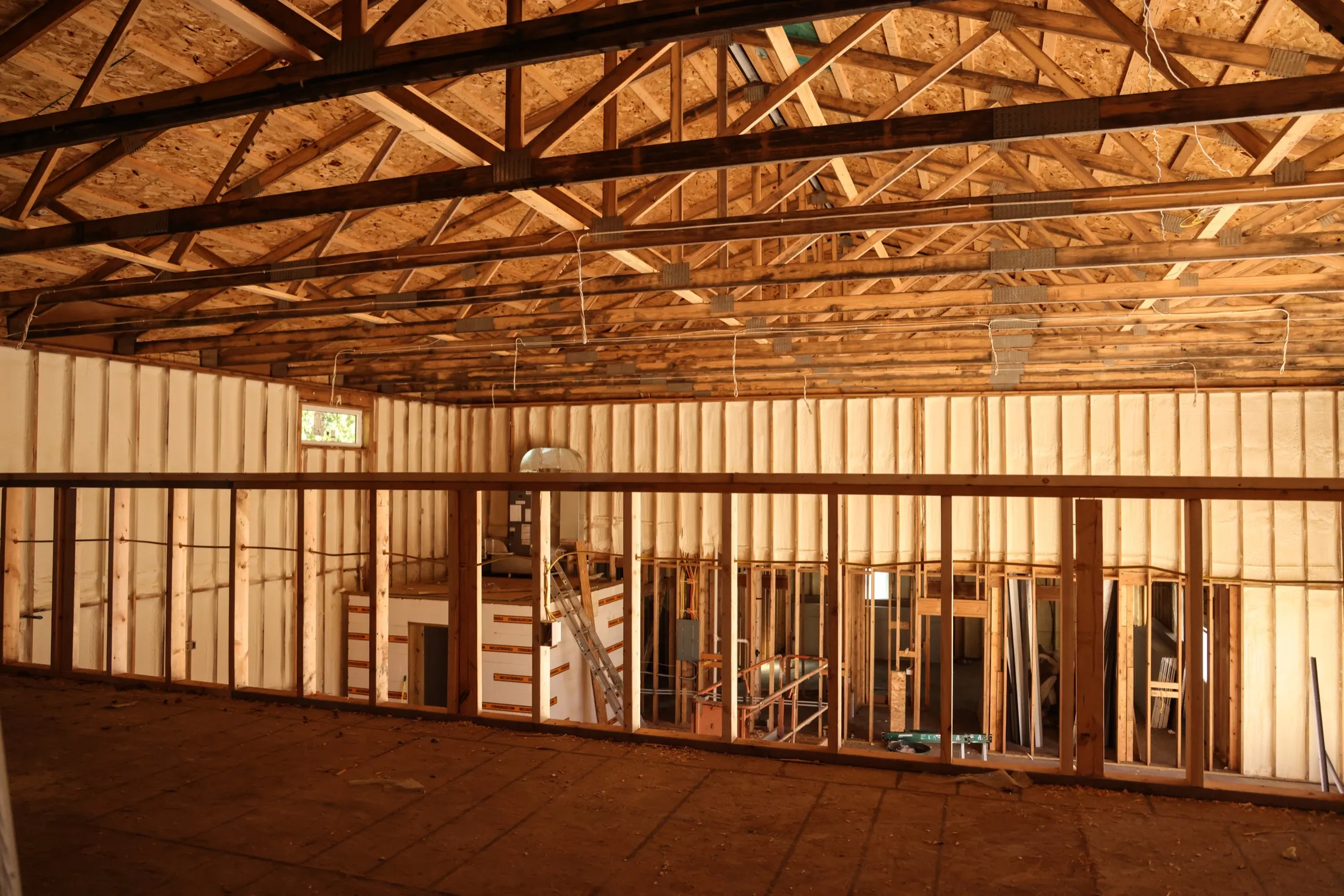
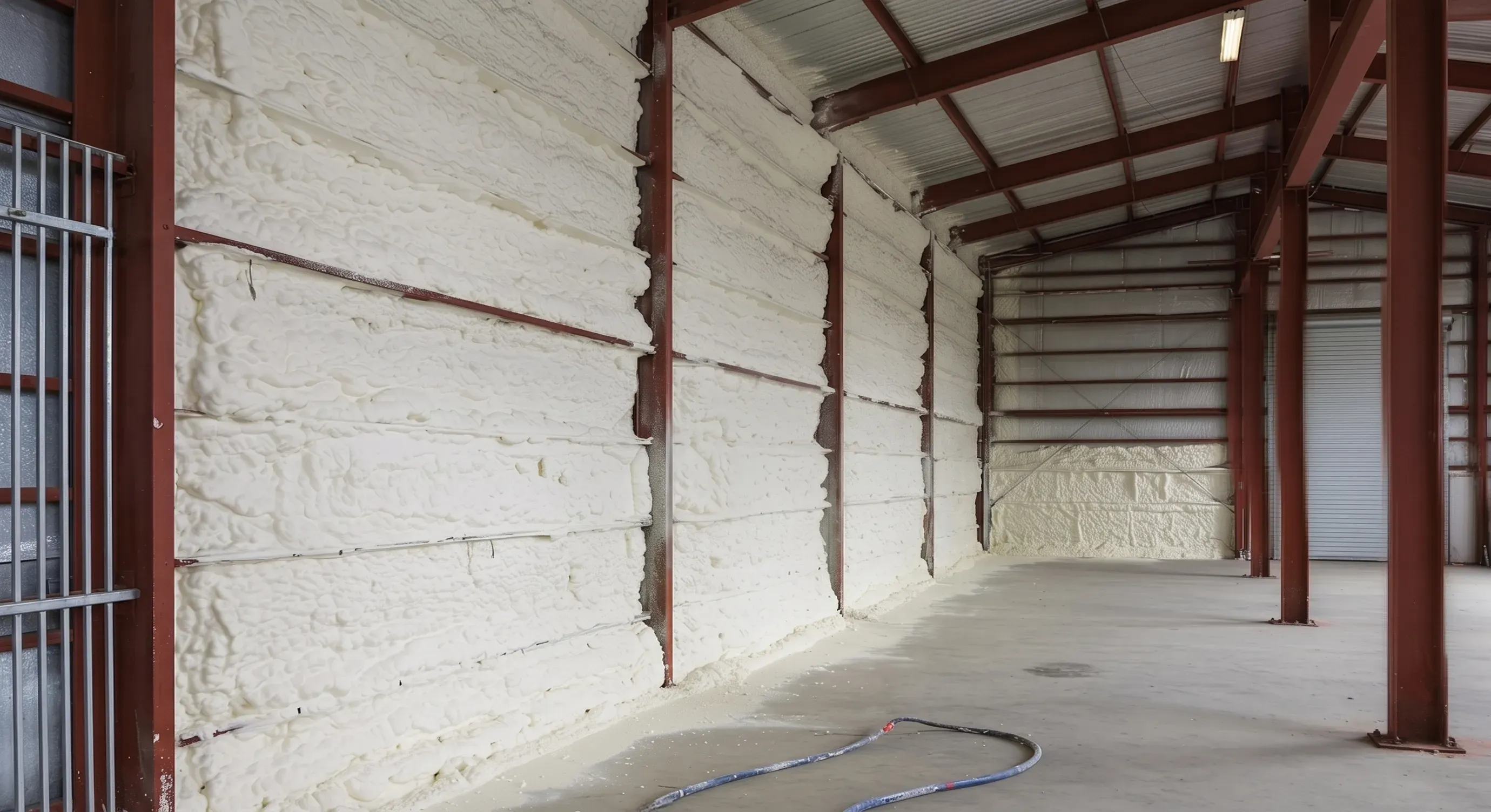

Other Spray Foam Services

Want to Know What Your Project Would Cost?
Tell us about the property and we'll help you determine the next step.
Free Estimates • Residential & Commercial • Local Arizona Team